MARMARIS GUIDE
Marmaris Travel Tips for First-Timers: Money, ATMs, Tipping, Internet and Getting Around
Last updated: 8 November 2026
Share this guide
First-time visitors to Marmaris always ask the same things: which currency should I bring, what should I watch out for at the ATM, how much do I tip, will my phone work, how do I get from the hotel into town? This guide answers them briefly in one place. If you are hiring a car, the last section covers what you need to know about your licence, the deposit, delivery and motorway tolls.
In short: your first day in Marmaris
- Currency
- Turkish lira (TRY); cards and contactless widely accepted
- At the ATM
- Choose lira, not your home currency
- Tipping
- Not compulsory; 5–10% is usual in restaurants
- Emergency number
- 112 (police, gendarmerie, fire, ambulance)
- Time and plugs
- UTC+3 all year; type C/F sockets, 230 V
Before You Arrive in Marmaris: Quick Checklist
We put the most useful facts for a first holiday in one table. You'll find the details in the sections below.
| Topic | What to know |
|---|---|
| Money | Turkish lira (TRY); carry some cash |
| Cards | Accepted in hotels, restaurants, supermarkets and petrol stations |
| ATM | Choose lira on screen and read the fee before you confirm |
| Tipping | Not compulsory; 5–10% is usual in restaurants |
| Internet | An eSIM or a Turkish SIM bought with your passport |
| Getting around | Dolmuş, water taxi in summer, taxi or a hire car |
| Time | UTC+3, no change all year |
| Plugs | Type C/F (European plug), 230 V |
| Emergency | 112 |
| Visa | Depends on nationality; check the official e-Visa site |
Explore freely from day one
We deliver the car free of charge to your hotel, to Netsel Marina or to İçmeler. Pick your dates and see the price straight away.
Money: Turkish Lira, Cash and Paying by Card
- Turkey's currency is the Turkish lira (TRY). Prices are shown in lira, and paying in lira usually gets you the best deal.
- Cards and contactless payments are widely accepted in hotels, restaurants, supermarkets, petrol stations and larger shops.
- Keep some cash in lira for the market, the dolmuş, small kiosks and tips.
- Some shops in tourist areas take euros or pounds, but the exchange rate is rarely in your favour.
- Rates and commissions differ between exchange offices; ask how many lira you will get before you change money.
ATMs and Cards: What to Watch Out For
If an ATM or card machine asks "your home currency or lira?", choose lira. If you choose your own currency, the ATM or the shop does the conversion at its own rate, which is usually more expensive.
- The ATM shows its withdrawal fee on screen; read it before you confirm, and if it's high, cancel and try another bank's ATM.
- Check your bank's fee for withdrawals abroad before you travel; some cards are cheaper abroad.
- Keep your card in sight when you pay and cover your PIN with your hand.
Tipping in Marmaris: When and How Much?
- Tipping isn't compulsory, but in tourist areas it is expected and always appreciated.
- In a restaurant, if you're happy with the service, leaving 5–10% of the bill is usual; if a service charge is on the bill, no extra tip is needed.
- In a café or on a short taxi ride, rounding up is enough.
- At the hotel you can leave a few lira for the porter or the housekeeping staff.
Phone and Internet: eSIM or a Turkish SIM?
- The easiest is an eSIM: if your phone supports it, you set up a data plan before your holiday and you're online as soon as you land.
- A Turkish SIM: bought with your passport at an operator's shop and registered in your name. Buy it from an official shop.
- Under the current rule, a phone brought from abroad can be used with a Turkish SIM without registration for up to 120 days; plenty for a holiday.
- If you use your own SIM, check the roaming charges with your operator before you travel.
- Most hotels, cafés and restaurants have Wi-Fi; just ask for the password.
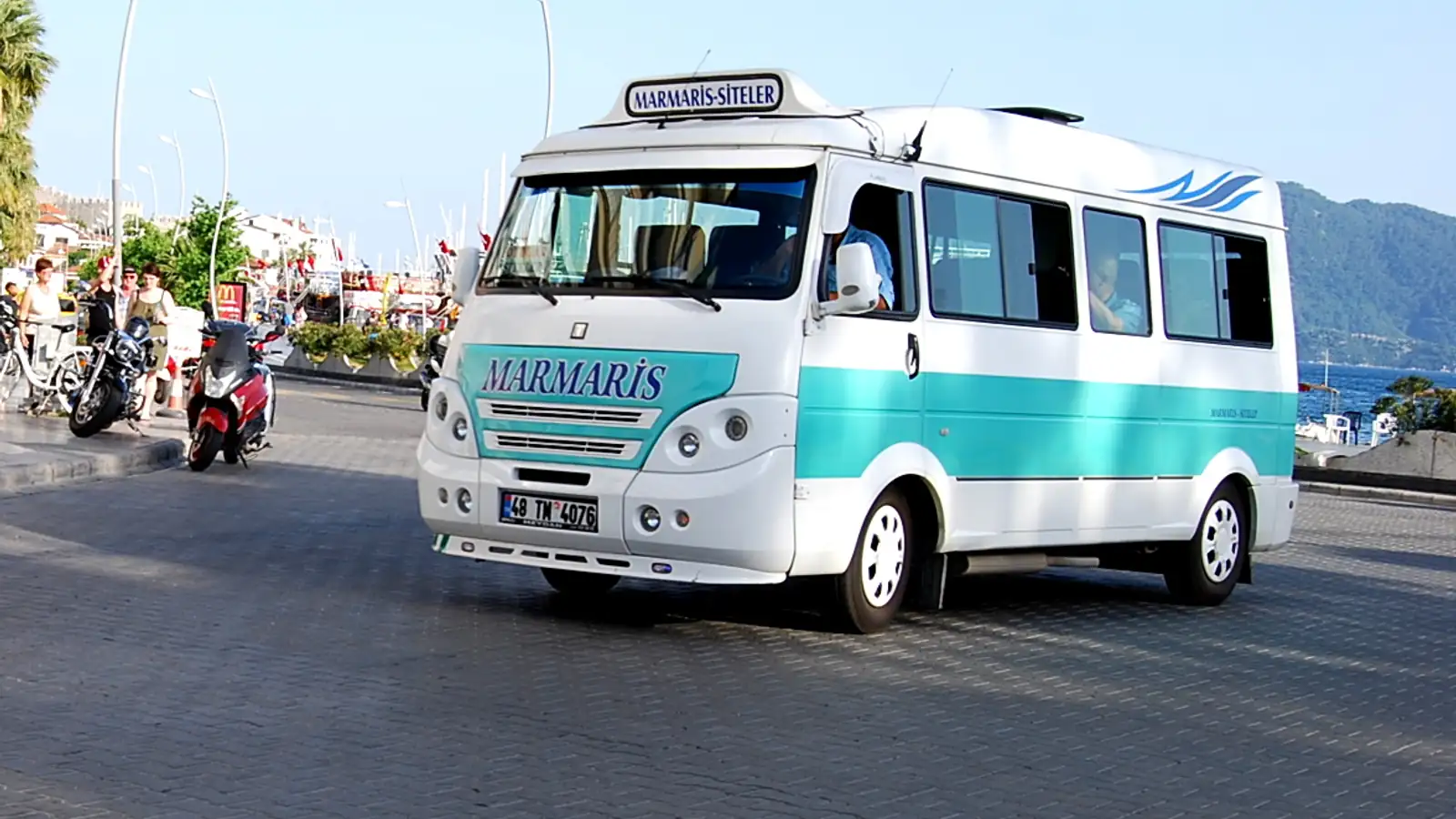
Getting Around Marmaris: Dolmuş, Water Taxi, Taxi, Car
For parking in town and the paid seafront strip see our Marmaris parking guide; to choose between a tour and a car see our excursions or hire car guide.
Daily Life: Time, Plugs, Water, Shopping
- Time: Turkey stays on UTC+3 all year, with no summer time. So the time difference with Europe changes between summer and winter.
- Plugs: types C and F (European plug), 230 V. Coming from the UK? Bring an adapter.
- Water: most visitors and locals drink bottled water, which every supermarket sells.
- Haggling: bargaining is normal in the covered bazaar and souvenir shops; not in supermarkets or where prices are marked.
- Visiting a mosque: cover shoulders and knees, women are usually expected to cover their hair, shoes come off at the entrance; don't go in during prayers.
- Sun: the midday sun in summer is very strong; take a hat, sunscreen and plenty of water. For the weather month by month see our weather and sea guide.
Safety and Emergencies
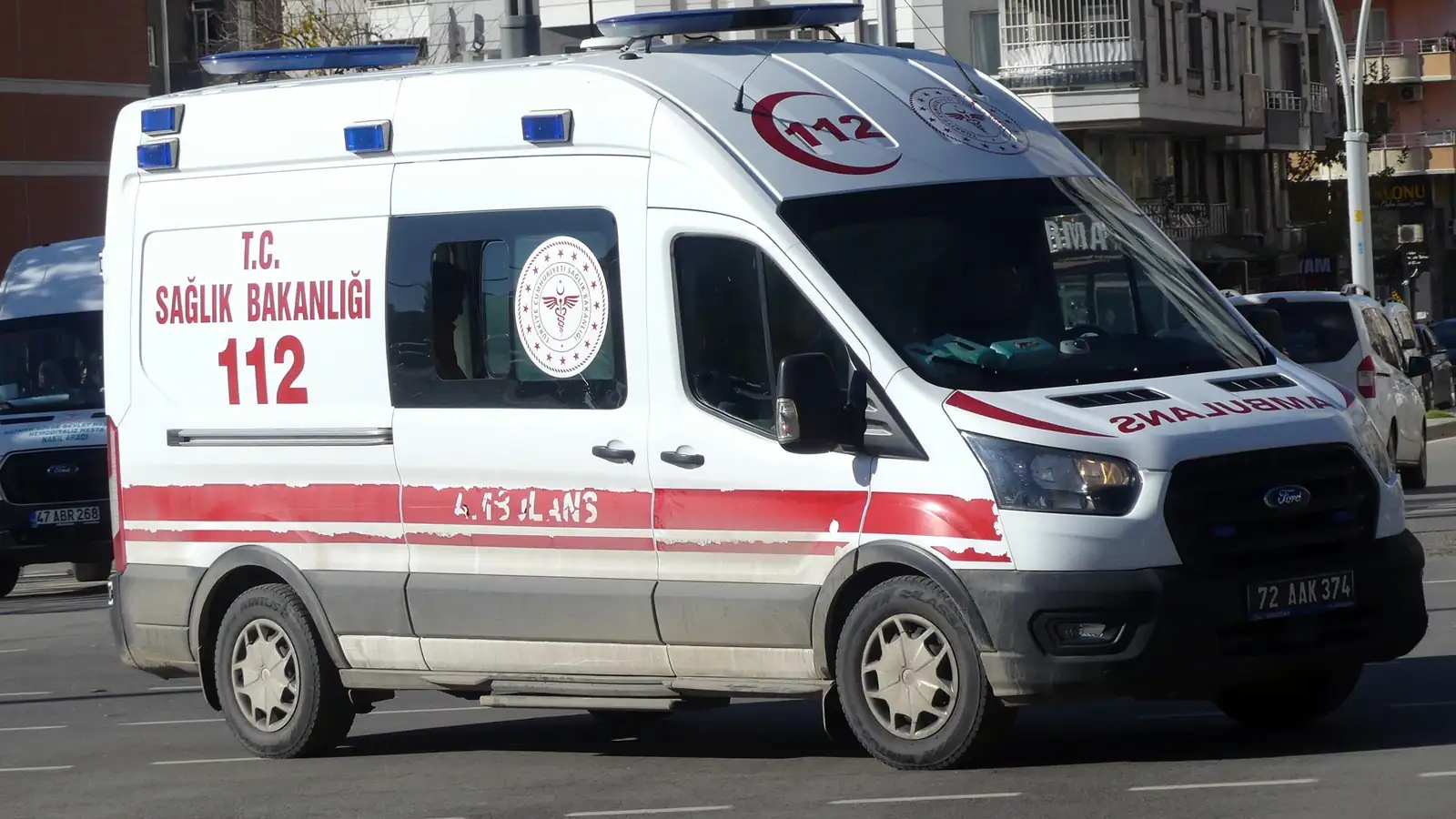
- The emergency number is 112: police, gendarmerie, fire brigade and ambulance are all reached on this number.
- Pharmacies take turns to open in the evening and at weekends; a closed pharmacy shows the address of the duty pharmacy (nöbetçi eczane) on its door.
- Marmaris is generally safe; still, watch your bag and phone in the busy bazaar and on Bar Street.
- Save a photo of your passport on your phone; you can leave the original in the hotel safe.
Hiring a Car? What You Need to Know
- Licence: a valid driving licence held for at least 3 years and an ID card or passport; an international driving permit is recommended for foreign drivers. Details in our international driving permit guide.
- Deposit: no credit card needed, a cash deposit is accepted.
- Delivery: Marmaris centre, the port, Netsel Marina, hotels and İçmeler are free delivery points; other points on the delivery points page.
- Mileage: there is a limit of 300 km a day; plan longer trips with that in mind.
- Motorway and bridge tolls: our cars have an HGS toll tag, and the tolls are paid by the renter. All conditions in our rental terms.
- For traffic rules and speed limits see our driving in Turkey guide.
Free cancellation, no credit card
Free cancellation up to 24 hours before delivery. Pick your dates and see the price straight away.
Distances and times are approximate and vary with traffic and season.
Share this guide
Frequently asked questions
Should I bring euros, pounds or lira to Marmaris?
Paying in lira is usually best. You can withdraw lira from an ATM with your card or change money at an exchange office; some tourist shops take euros and pounds, but the rate is rarely in your favour.
Can I pay by card in Marmaris?
Yes. Cards and contactless are widely accepted in hotels, restaurants, supermarkets and petrol stations. Keep some cash for the market, the dolmuş and tips.
Should I choose lira or my own currency at the ATM?
Choose lira. If you choose your own currency, the ATM converts at its own rate, which is usually more expensive. Read the withdrawal fee on screen before you confirm.
How much should I tip in Marmaris?
It isn't compulsory. In a restaurant, leaving 5–10% is usual if you're happy with the service; if a service charge is on the bill, no extra tip is needed. On a short taxi ride, rounding up is enough.
Will my phone work in Turkey?
Your own SIM works on roaming; ask your operator about the charges. An eSIM or a Turkish SIM bought with your passport can be cheaper. A foreign phone can be used with a Turkish SIM without registration for up to 120 days.
What number do I call in an emergency in Marmaris?
Call 112. Police, gendarmerie, fire brigade and ambulance are all reached on this single number.
What plugs are used in Marmaris?
Types C and F (European plug), 230 V. Coming from the UK? Bring an adapter.
What do I need to hire a car in Marmaris?
A valid licence held for at least 3 years and an ID card or passport; an international driving permit is recommended for foreign drivers. No credit card is needed for the deposit, and a cash deposit is accepted.