MARMARIS GUIDE
What to Eat in Marmaris: Muğla's Protected Local Food, Traditional Dishes and Food Trips by Car
Last updated: 26 November 2026
Share this guide
Fish and meze are everywhere in Marmaris, but the real surprise is Muğla's own cooking. The Turkish Patent Office lists 41 geographical indications for Muğla, and most of them are food. In this guide, based on what the registration documents say, we explain what each dish is, which one is eaten in the morning, which produce is fresh in which month, and where to drive for each taste.
In short: what to eat in Marmaris
- Protected foods
- Most of Muğla's 41 geographical indications are food; this guide covers 14
- Marmaris's own
- Marmaris pine honey (no. 469) and Marmaris peanuts (no. 1227)
- Morning kebab
- Muğla sulu kebap: kid goat, about 7 hours in the oven
- Dessert
- Muğla saraylı: walnut pastry in syrup, about 200 years old
- Seasons
- Datça tomatoes October–January, Köyceğiz oranges December–February
- Nearest food stop
- Muğla town, 56–57 km from Marmaris
What to eat in Marmaris: Muğla's protected local foods
A geographical indication ties a product's name to a place. A designation of origin is the strictest kind: the product owes its qualities wholly or essentially to that place, and every stage of production happens there. With a geographical sign (mahreç işareti) the product owes its reputation to the place, and at least one stage of production happens there.
The Turkish Patent and Trademark Office lists 41 registered geographical indications for Muğla; 32 of them are food, the rest are things like carpets, kilims, marble and gulets. The table below brings together 14 that you can taste in a day out from Marmaris:
| Food | Registration | What it is | Where |
|---|---|---|---|
| Marmaris pine honey | Designation of origin, no. 469 (2019) | Honeydew honey made from the secretion of an insect on pine trees | Marmaris |
| Marmaris peanuts | Designation of origin, no. 1227 (2022) | Large peanuts with pink kernels | Marmaris |
| Muğla köfte | Geographical sign, no. 347 (2018) | Grilled beef mince kneaded with nothing but salt | Muğla |
| Muğla sulu kebap | Geographical sign, no. 1483 (2023) | Bone-in kid goat; the "breakfast kebab" eaten in the morning | Muğla |
| Muğla göce tarhana | Geographical sign, no. 458 (2019) | Cracked wheat, strained yoghurt and tarhana herb | Muğla |
| Muğla simit | Geographical sign, no. 1548 (2024) | Sesame ring dipped in grape molasses, baked in an oak-fired stone oven | Muğla |
| Muğla saraylı | Geographical sign, no. 346 (2018) | Round walnut pastry in syrup | Muğla |
| Ula garlic | Designation of origin, no. 1626 (2024) | Garlic with purple-violet cloves | Ula |
| Gökova sesame | Designation of origin, no. 1855 (2026) | Sesame that is yellow even raw, "Gökova yellow" | Akyaka and Gökova |
| Datça tomato | Designation of origin, no. 1571 (2024) | Thin-skinned, deep red, not sour | Datça |
| Datça Nurlu almond | Designation of origin, no. 1504 (2023) | Large, sweet, hard-shelled almond | Datça |
| Köyceğiz orange | Designation of origin, no. 1124 (2022) | Washington Navel orange, deep orange in colour | Köyceğiz |
| Milas tray börek | Geographical sign, no. 395 (2018) | Tray pie with greens, çökelek cheese and olive oil | Milas |
| Bodrum çökertme kebab | Geographical sign, no. 1759 (2025) | Thin fried potatoes, garlic yoghurt and beef | Bodrum |
Registration numbers and dates come from the Turkish Patent Office's geographical indication records. Registered products should carry the geographical indication emblem on the packaging or where they are sold; you can look up any product by name in the same records.
The Muğla table: köfte, sulu kebap, tarhana, simit and saraylı
- Muğla köfte: beef rib is minced twice with beef caul fat, and nothing but salt goes in; it is kneaded for 20–25 minutes and grilled without burning the outside. It comes with onion soaked in water, parsley, grilled tomatoes and fried bread, with roasted fresh peppers in summer and dried peppers in winter. Cumin and black pepper you add yourself if you like.
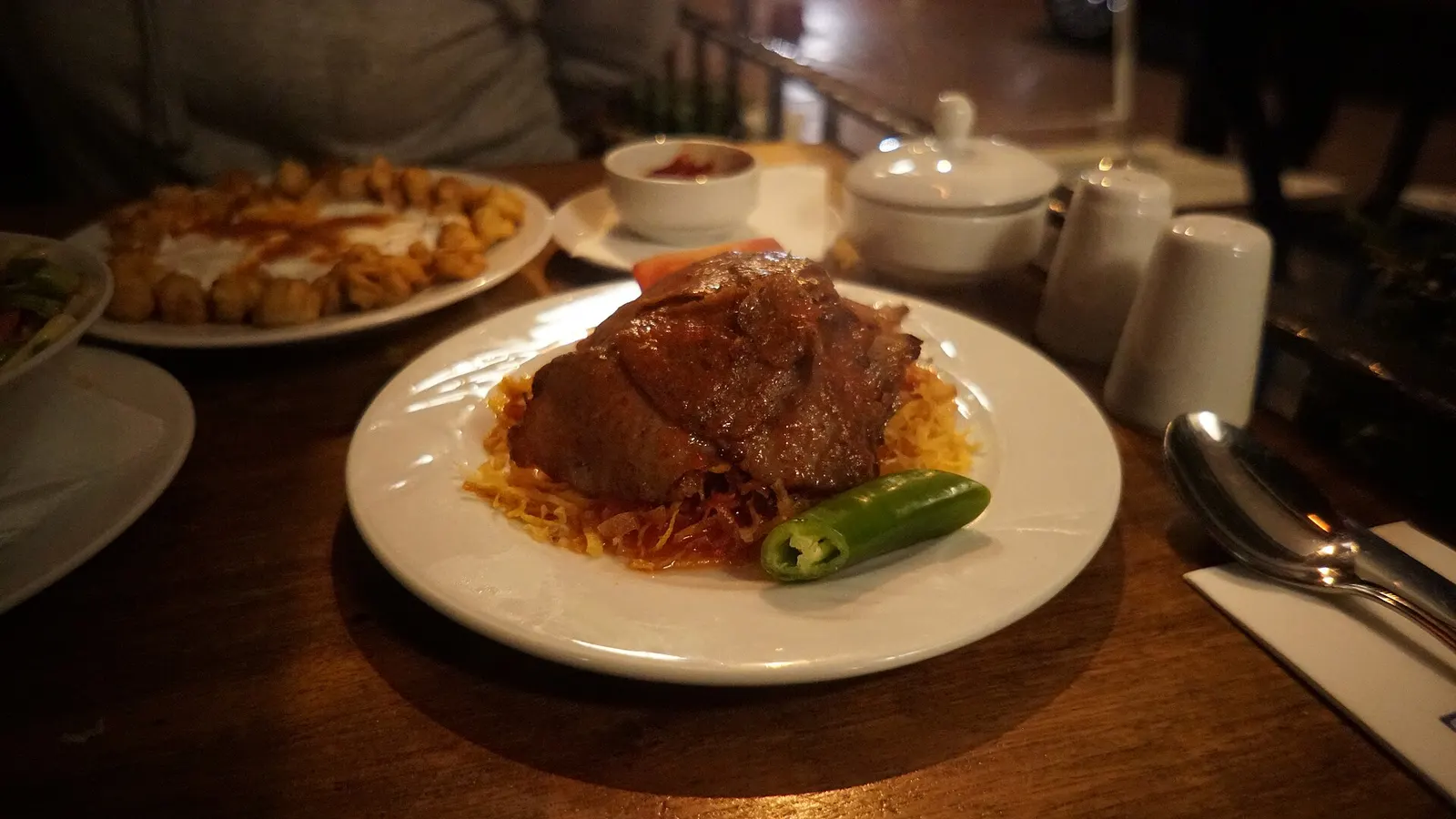
- Muğla sulu kebap: bone-in kid goat is first roasted for about 1 hour, rested, then cooked in the oven with water and salt for about 7 hours more. Because it is cooked to be ready early in the morning and eaten then, it is also called the "breakfast kebab"; it has been made in Muğla since the 1950s. Although it is soupy, it is also eaten with a fork.
- Muğla göce tarhana: made from cracked hard wheat (göce), yoghurt strained in bags for 2 days and the fragrant tarhana herb, then dried in the shade; it is also made as rings with a hole in the middle. The soup is traditionally cooked with dried black-eyed beans, dried red pepper and bone-in ribs.
- Muğla simit: the dough is dipped in grape-molasses water at 80–90 °C, rolled in sesame and baked in a stone oven fired with oak wood. According to the registration document it keeps for at most 24 hours, so buy it warm in the morning.
- Muğla saraylı: thin pastry is rolled around walnuts, coiled into a round tray and soaked in syrup after baking. The dessert is about 200 years old; the story goes that it is named after the gold coin ("sarı lira") placed in the middle of the tray when the groom's family went to the bride's house for the engagement: "sarı lira" became "sareyli" in the Muğla accent.
Marmaris's own protected products: peanuts and pine honey
Marmaris peanuts became designation of origin no. 1227 in 2022, on the application of Marmaris Municipality. According to the registration document, the district's loose, sandy-loam, reddish Mediterranean soils let the peanuts grow large underground: the kernels are pink, 17–27 mm long and contain about 50–60% oil. They are mostly sown in April, lifted 4–6 months later and left upside down in the field for about 3 days to dry in the sun. They are sold raw in the shell or shelled.
Marmaris's second protected product is pine honey: a dark, not very sweet honey made not from flowers but from the secretion of an insect living on red pine. For the lab values, the harvest calendar and how to choose a genuine jar, see our pine honey guide.
Where to go for each taste: food trips by car
- Muğla town (56–57 km): sulu kebap in the morning, köfte at lunch, warm simit and saraylı on the side; also the place to buy tarhana. It fits into the same day as the Saburhane houses and Karabağlar (our Muğla day trip guide).
- Ula (45 km) and Akyaka (about 32 km): Ula's purple-cloved garlic and the yellow sesame of the lower Gökova basin. Garlic has been grown in Ula for centuries; the Ottoman traveller Evliya Çelebi is known to have taken garlic from Ula (our Akyaka guide).
- Datça (about 73 km): Datça tomatoes from October to January, Datça Nurlu almonds in summer (our Datça guide).
- Köyceğiz (about 62 km): Köyceğiz oranges from December to February; cool nights from the Sandıras mountains give the fruit its deep orange colour (our Köyceğiz guide).
- Milas (about 119 km): Milas tray börek with greens and çökelek cheese, and Milas olive oil, which is also registered in the European Union (our Milas page).
- Bodrum (163–164 km): çökertme kebab with matchstick fried potatoes, garlic yoghurt and beef; according to its registration it has been made in Bodrum since 1964 (our Marmaris–Bodrum guide).
Season calendar: what is fresh when?
| When | What is fresh |
|---|---|
| December – February | Köyceğiz oranges: picked in December, January and February. |
| October – January | Datça tomatoes: planted in late July, picked from October to the end of January. |
| June – August | Datça Nurlu almonds: early harvest starts in June; they ripen 15 days later than other almonds. |
| August – September | Gökova sesame harvest. |
| Mid-July – end of October | Pine honey harvest; 3 harvests in a good year. |
| Sown in April, 4–6 months later | Marmaris peanuts are lifted and dried in the field. |
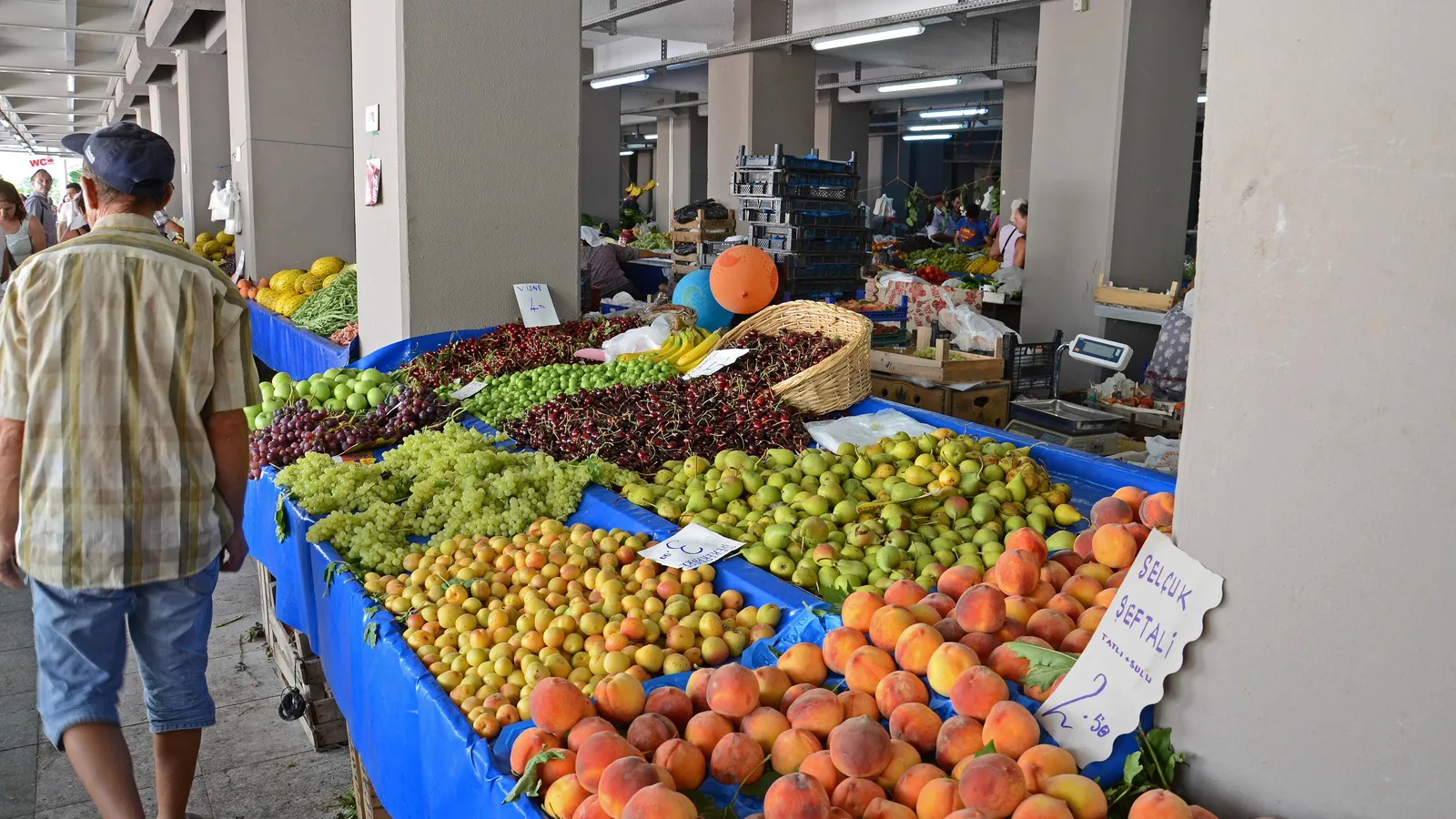
Turkey's Ministry of Culture and Tourism writes that many of the special dishes of the Marmaris area are made around Hıdrellez, the spring festival.
Olive-oil dishes, wild greens and fish
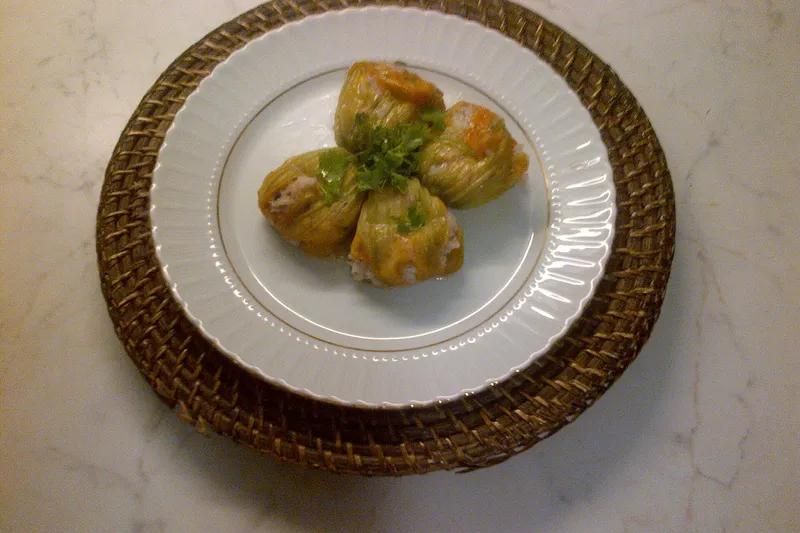
- Stuffed courgette flowers (kabak çiçeği dolması): the flowers are filled with rice and cooked in olive oil.
- Şevketi bostan: a thistle-like wild plant whose root and stem are eaten; served cold with olive oil or cooked with lamb.
- Other greens: arapsaçı, radika, mallow and samphire are among the greens most used in Aegean cooking; on menus you will see them as "ot kavurma" or "zeytinyağlı otlar".
- Fish: sea bass and sea bream are among the prized fish of the region, grilled, steamed or baked in salt.
- Goat's milk: goat's milk is made into cheese and yoghurt.
Good to know before you eat
Car hire for the food routes
A car is the easiest way to get to Muğla, Ula, Datça or Köyceğiz and back in a day. We deliver free to Marmaris centre, the harbour, Netsel Marina and hotels in Marmaris and İçmeler (delivery points). No credit card is needed for the deposit (car hire without a credit card), and cancellation is free up to 24 hours before delivery. The daily mileage limit is 300 km; a return trip to Muğla or Datça stays well within it.
Choose your dates
Car delivery runs every day 08:00–00:00; for flights outside these hours, contact us in advance.
Distances and times are approximate and vary with traffic and season.
Share this guide
Frequently asked questions
What should you eat in Marmaris?
Besides fish and olive-oil dishes, try Muğla's protected foods: Muğla köfte, the morning sulu kebap, tarhana, Muğla simit with grape molasses and the walnut saraylı. Marmaris's own protected products are pine honey and peanuts.
What makes Muğla köfte different?
According to its registration document, beef rib is minced twice with caul fat and nothing but salt goes in. It is served with grilled tomatoes, onion soaked in water and fried bread.
What is sulu kebap and when is it eaten?
A Muğla dish of bone-in kid goat, first roasted and then cooked with water in the oven for about 7 hours. It is eaten early in the morning, which is why it is also called the "breakfast kebab".
Which Marmaris products have a geographical indication?
Marmaris pine honey (designation of origin, no. 469) and Marmaris peanuts (designation of origin, no. 1227). Across Muğla there are 41 registered geographical indications.
Why is Muğla saraylı called that?
According to the registration document, a gold coin ("sarı lira") was placed in the middle of the dessert tray when the groom's family went for the engagement; "sarı lira" became "sareyli" and then "saraylı". The dessert is about 200 years old.
When are Datça tomatoes in season?
They are planted in late July and picked from October to the end of January. They are thin-skinned, deep red and not sour.
Can you eat çökertme kebab in Marmaris?
You'll see it on many menus, but its registered name is Bodrum çökertme kebab, and it has been made in Bodrum since 1964. Bodrum is 163–164 km from Marmaris.
Where can I buy local produce?
Go to the local markets for fresh produce, and to Muğla town for tarhana, simit and saraylı. On registered products, look for the geographical indication emblem on the packaging or where they are sold.